AN intended “silver bullet” to control carp numbers in the Murray River – the release of a koi herpes virus – may still be several years away.
The news that has deflated the fishing fraternity and major stakeholders such as the catchment management authorities are wondering what comes next.
The National Carp Control Plan was completed by the Fisheries Research Development Corporation late last year, but ongoing research has cast doubt on how effectively the virus could impact native fish species.
State and federal agriculture ministers will receive new research recommendations from the Agriculture Department’s environment and invasive species committee next month.
Australian chief environmental biosecurity officer Bertie Hennecke said a lot of issues remained unsolved, such as impacts on town water, stock and domestic consumption and irrigation, along with cultural and recreational considerations and the clean-up of dead fish biomass.
North Central Catchment Management Authority acting chief executive Rachel Murphy said “providing the right habitat and flow regimes for our native fish is the best weapon we currently have against carp”.
“This means delivering the right amount of water for environment at the right time of the year, riverbank revegetation, increasing connectivity by building fishways, and fencing off creeks and rivers from stock,” she said.
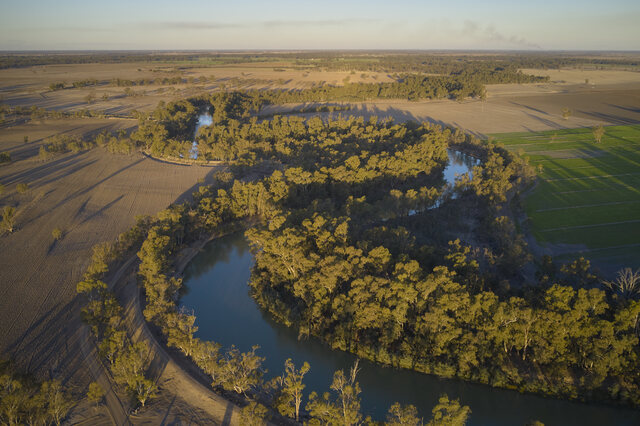
“The current flow-on to about 23 per cent of the Gunbower Forest floodplain will provide habitat and food for thousands of waterbirds and help their chicks survive to adulthood.
“Historically, the floodplain received water, on average, in seven out of 10 years, so a follow-up flow after a large flood is nothing new for the plants and animals of the forest.
“Like most people across the catchment, we will welcome any strategy or program that helps control carp numbers and keep our native fish and vegetation healthy.”
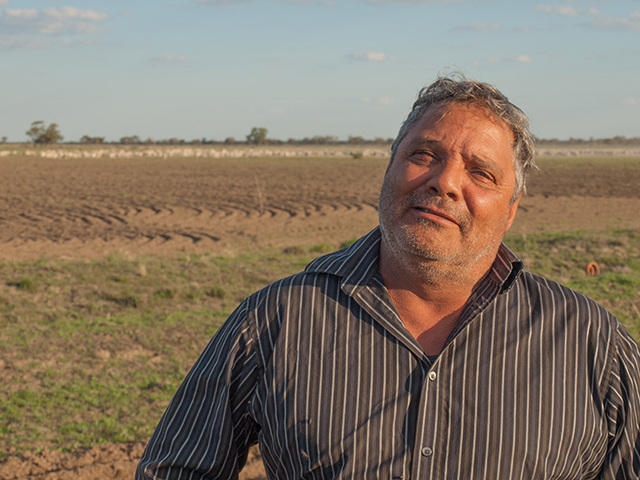
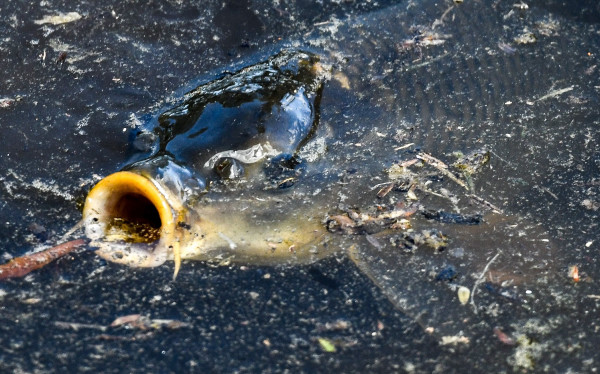
Barham Angling Club president Garry Wilkinson said his club’s stretch of the river was awash with the exotic species in an invasion that had worsened since October’s floods.
Mr Wilkinson said that after the massive volume of water that swept down the Murray River late last year, carp numbers had “taken off like anything”.
He said numbers had never been worse in more than 50 years.
“Pick any size, from small to very big, and we catch them all, again and again – and fewer native fish at the same time,” Mr Wilkinson said.
“Not only did we get more carp washed down here, when the water spread on to the floodplains, with all the tannins and leaf matter which floated out there with it saw so much blackwater, we had it in the Murray as well.
“We even had blackwater in the Murray itself, and the native fish just can’t breathe in that, but the carp can. The warm weather we got after the floods didn’t help much as well, it just encouraged the carp to breed, and they did.”
Mr Wilkinson said that at the height of the post-flood blackwater problems Murray crays walked out of the water just to get some air.
He said the tragedy was the native fish couldn’t do the same, and the cod and perch populations took a real hit.
“Even the shrimp started jumping on to the bank, and when you went near them they would try and jump back in.
“I put in my shrimp net, which has a 40cm funnel, and when I pulled it up it had nothing but carp, hundreds of carp, in every shape and size.
“We can’t keep going like this.”
Dr Hennecke said if the virus were approved today, it would still need to be passed by affected jurisdictions and meet Environment Protection and Biodiversity Act requirements before release.
That would add “probably two to three years”.
“That is mainly around further consideration of impact on native species and also looking at cost-benefit analysis to update that and some other elements,” Dr Hennecke told Senate estimates.
Modelling done as part of Canberra’s investigation had estimated the virus would reduce carp numbers by 60 per cent in Murray-Darling Basin waterways and drive carp density well below the devastating threshold of 100kg per hectare.
However, Agriculture Department deputy secretary Chris Locke said the Environment and Invasives Committee had found “significant issues” with tests done in relation to potential virus impacts on non-target species.
“I think their comment on effectiveness was it was not going to be a silver bullet; that it would have to be used in conjunction with other management strategies,” Dr Locke said.
However, Dr Hennecke said the taskforce found other control tools “need to have further consideration to improve them”.
Researchers have $3.68 million remaining from a $15 million funding envelope to complete the trouble-plagued, years-long project.
Further details are available at www.nccma.vic.gov.au/media-events/media-releases/gunbower-forests-special-sauce