Home » Farming and Environment » Importers, not farmers, must pay for risks

Importers, not farmers, must pay for risks

MORE needs to be done to protect Australia’s biosecurity but taking more money from Australian farmers is not the answer.

This is the position of representative body NSW Farmers, which says the federal government needs to force importers to pay for the biosecurity threats they create.

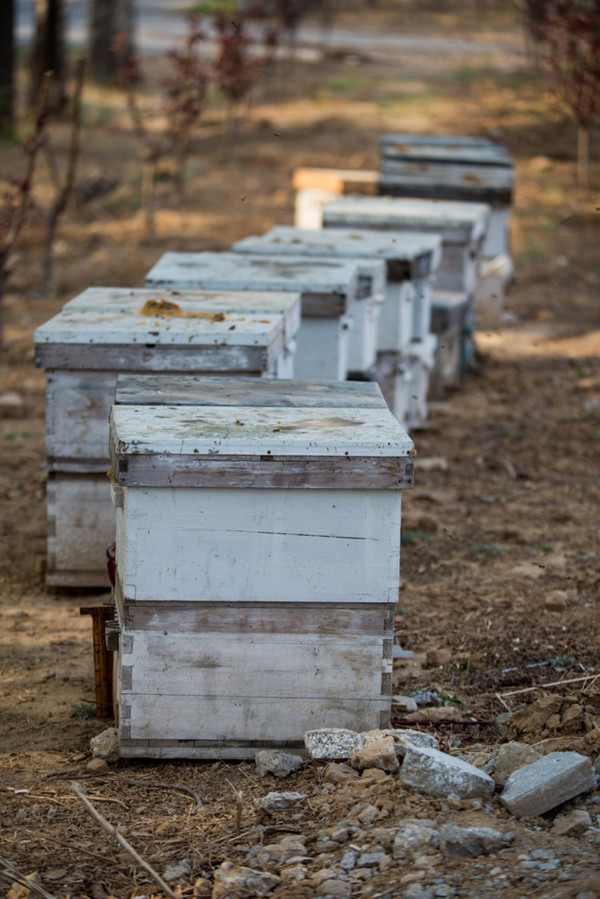
In the wake of the deadly varroa mite spreading across bee colonies in NSW, including being detected recently in hives at Balranald and Euston, eradication of the pest has been declared no longer possible.

NSW Farmers biosecurity committee chair Ian McColl said the outbreak was demonstrative of just how much of a risk exotic animal and plant pests and diseases was.

“We have had a practical demonstration of how difficult biosecurity control efforts can be with varroa mite – despite our best efforts, Australia now has to live with another costly biosecurity failure,” Mr McColl said.

“This underscores how critical detection and prevention is.

“We need all governments appropriately resourcing biosecurity efforts to maintain strong protections at the border.”

But to help create extra funding for these biosecurity measures, the government is currently consulting on a new biosecurity protection levy which will apply to primary producers from July 1 2024.

The levy will be charged to agricultural, fisheries and forestry producers and is intended to collect around $50 million per year, which will be allocated to maintain the Commonwealth biosecurity policy, operational and technical functions.

Mr McColl said the levy should be imposed on importers, rather than farmers themselves who have to bear the brunt of biosecurity breaches.

“Our members have been quite clear that increased biosecurity funding is essential but it should take into account who creates the risk and who already pays,” he said.

“Taxing farmers who are at ultimate risk of biosecurity breaches is not the way to move to improved biosecurity outcomes, especially when that tax might simply fund administrative functions of the federal department and not increase biosecurity prevention, preparedness or response capabilities.”

Independent Member for Murray Helen Dalton has expressed her support for the representative body, opposing the biosecurity protection levy in its current form.

“Clearly, it is importers who should be paying the costs for our biosecurity,” Mrs Dalton said.

“Asking farmers to pay for it is just not on.

“It’s not farmers who are making big dollars from importing this food.

“It’s not farmers who are importing biosecurity risks such as varroa mite.”

Mrs Dalton was also sceptical that any levy that farmers paid would actually go towards improving biosecurity outcomes.

“It may end up paying for more bureaucrats and more paper shuffling,” she said.

“Farmers should not be paying for improved biosecurity, when they are already paying for the serious failures in biosecurity that we have seen recently.”

Digital Editions


  • Mighty Ducks fly

    Mighty Ducks fly

    Reigning premiers Kerang dealt ladder leaders Murray Downs a body blow on Friday night, with the Black Ducks securing a come-from-behind five-shot win. The 55-50…

More News

  • Quambatook turns pink

    Quambatook turns pink

    QUAMBATOOK is turning pink in honour of the late Merril Kelly, a softly spoken and dedicated town leader who made Quambatook “stronger, kinder, and more connected”. The former school teacher…

  • A constant force for good

    A constant force for good

    GANNAWARRA’S top citizenship gong has been awarded to Cohuna stalwart Graeme Peace for more than three decades of dedication to a number of community organisations. At the ceremony last Wednesday…

  • Bowls Notes

    Bowls Notes

    KERANG Black Duck triples attracted 18 starters on Tuesday, including Peter Price, formerly of the Murrabit district, who has been down from Queensland for a family celebration and has played…

  • Scholarships lend a helping hand

    Scholarships lend a helping hand

    COUNTRY school leavers from across the region have been given a significant headstart as they embark on the next stages of their education. The Swan Hill Freemasons Lodge awarded five…

  • Scorching heatwave to hit its peak

    Scorching heatwave to hit its peak

    SERIOUS concerns are being raised about the health of residents, especially those who are vulnerable, as a prolonged and extreme heatwave peaks today. Temperatures are projected to reach 46 degrees…

  • Out and about: at the Cohuna town garage sale

    Out and about: at the Cohuna town garage sale

    DESPITE temperatures reaching into the 40s, bargain-hunters were not deterred from the renowned Cohuna town garage sale. More than 30 properties registered to sell their pre-loved wares on the day,…

  • Community urged to remain SunSmart

    Community urged to remain SunSmart

    MALLEE residents have been urged to maintain consistent sun protection with new data showing regional Victorians are more likely to be diagnosed with, and die from, melanoma than people living…

  • Delayed report stokes CFA funding row

    Delayed report stokes CFA funding row

    GOVERMENT funding for the CFA has been boosted for the first time in five years, a delayed report shas shown. Victoria’s State Government has faced scrutiny over bushfire preparedness after…

  • Back to school boost to lunchboxes

    Back to school boost to lunchboxes

    Initiative aims to promote nutritious, tasty and budget-friendly school lunch and snack ideas to help both parents and kids The Heart Foundation launched a new online lunchbox tool to empower…

  • Issues for older mobiles calling Triple Zero

    Issues for older mobiles calling Triple Zero

    Many older mobile devices are not correctly connecting to Triple Zero calls, with OPPO A53s devices with early software versions identified as requiring an update or replacement. The issue has…